Ion exchange in soil – this is how bound nutrients are released
Gardeners often hear that there are locked-up nutrients in the soil. But what exactly does that mean? And how can these elements be released without spreading yet more fertiliser? The answer lies in a natural chemical process: ion exchange.
What is ion exchange?
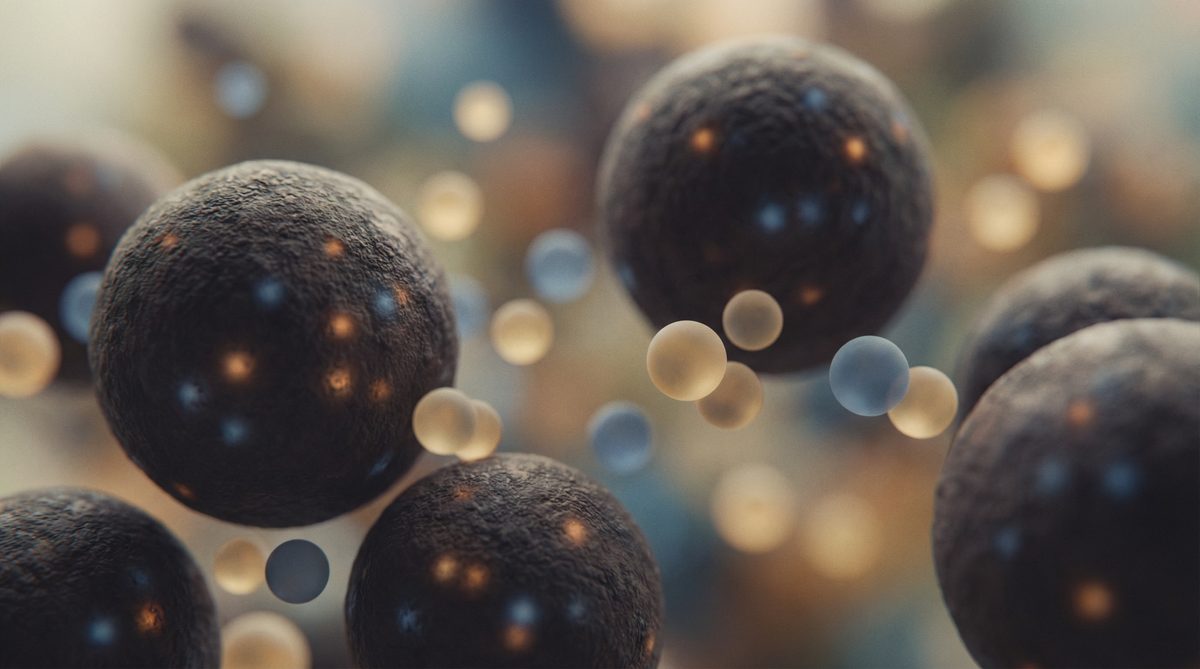
The tiny clay particles and organic particles of the soil – the soil colloids – carry an electrical charge on their surface. This charge is able to bind positively charged ions: calcium, magnesium, potassium, ammonium. When these ions attach to the surface of the colloids, they become locked up – they are present in the soil, but plant roots cannot take them up directly.
Ion exchange happens when a more strongly binding ion displaces a more weakly binding one from the surface of the colloid. For example, when we add calcium to the soil, it displaces the locked-up potassium and other elements, which then pass into solution and become available to the plant.
Why does this matter in your garden?
Most garden soils have plenty of nutrients – just not in an accessible form. Yet gardeners keep spreading more and more fertiliser because the plants show signs of nutrient deficiency. But the problem is not quantity, it's availability.
Once you understand ion exchange, you realise that the solution is not necessarily more nutrients, but releasing the reserves that are already there. This is more effective, more economical, and gentler on the soil.
How can you help the process?
Calcium is the engine of ion exchange. When you apply a calcium-containing product – such as Kalcinol – to the soil, it not only raises the pH but also sets ion exchange in motion. The calcium ions displace the locked-up nutrients from the surface of the colloids, so they pass into the soil solution and the roots can take them up.
Magnesium also plays an important role – the two elements work more effectively together. That is what the dolomite-based Magic Green Max is for: it delivers calcium and magnesium to the soil together. So regular, deliberate calcium and magnesium replenishment is not just about pH, but about activating the entire nutrient cycle.
Everything is already there in the soil – it just needs to be set in motion. Understanding ion exchange is one of the most important steps towards conscious gardening.