Why does the lawn turn yellow in spring? – The real reason is in the soil
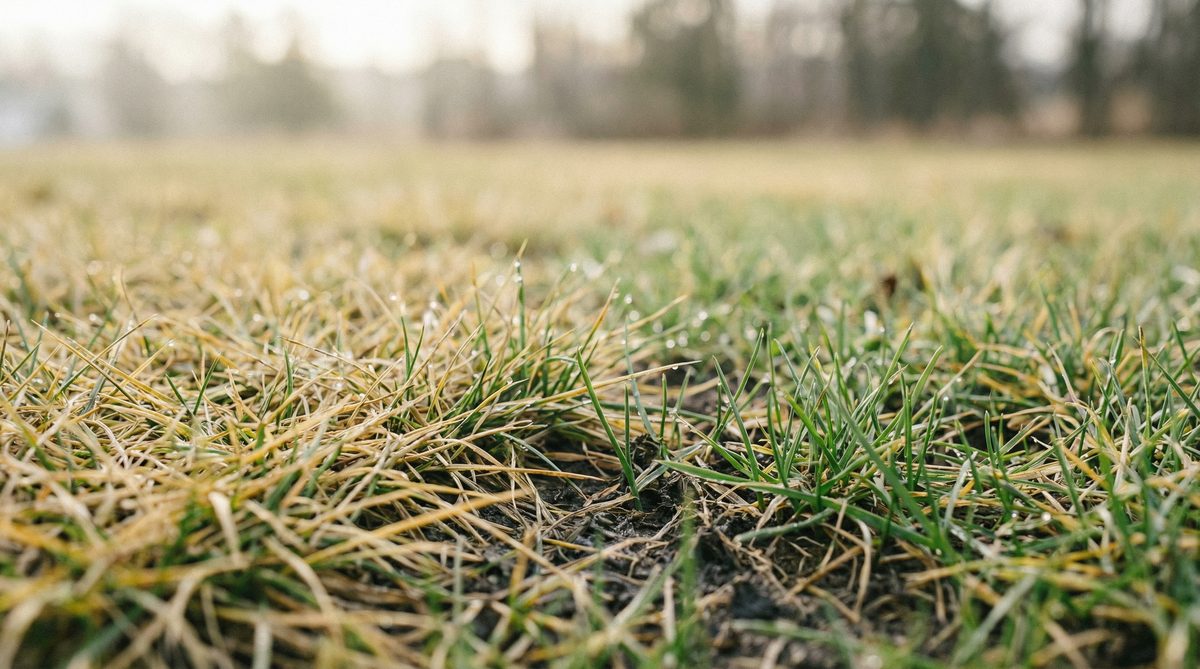
It's spring, the sun is getting warmer, the neighbour's garden is already green – but yours is still yellowish, dried out in patches. Sound familiar? Most gardeners panic at this point: maybe the lawn is diseased, maybe it didn't get enough water, maybe the seed was bad. But in most cases the problem lies not in the grass, but in the soil.
The traces of winter in the soil
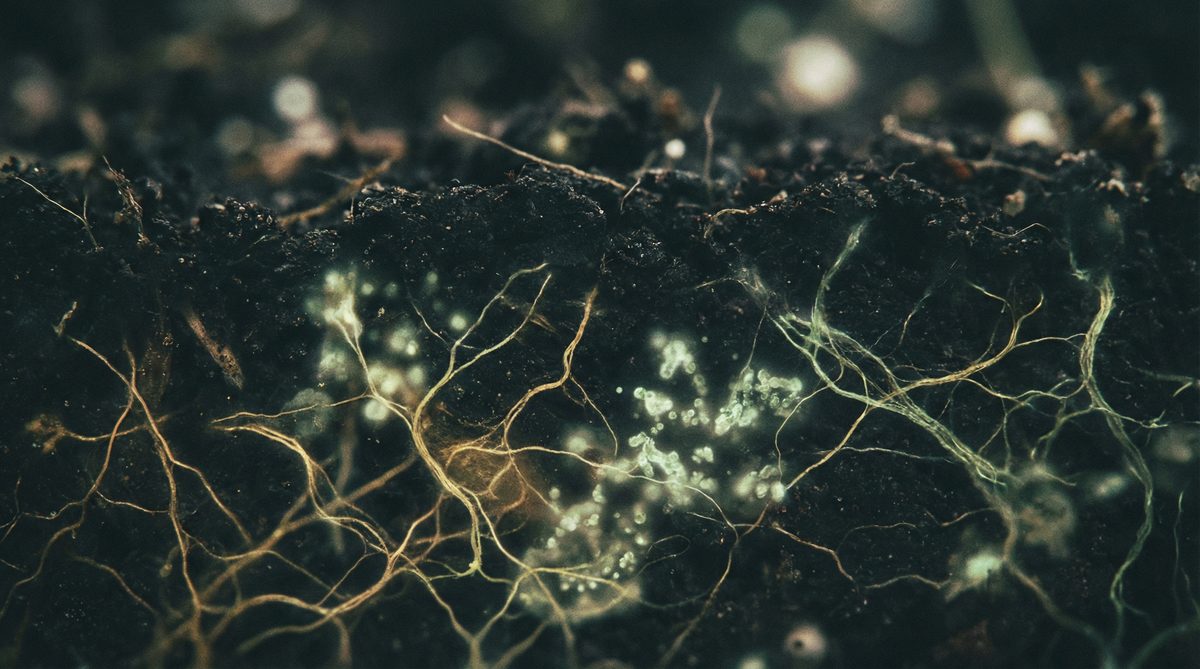
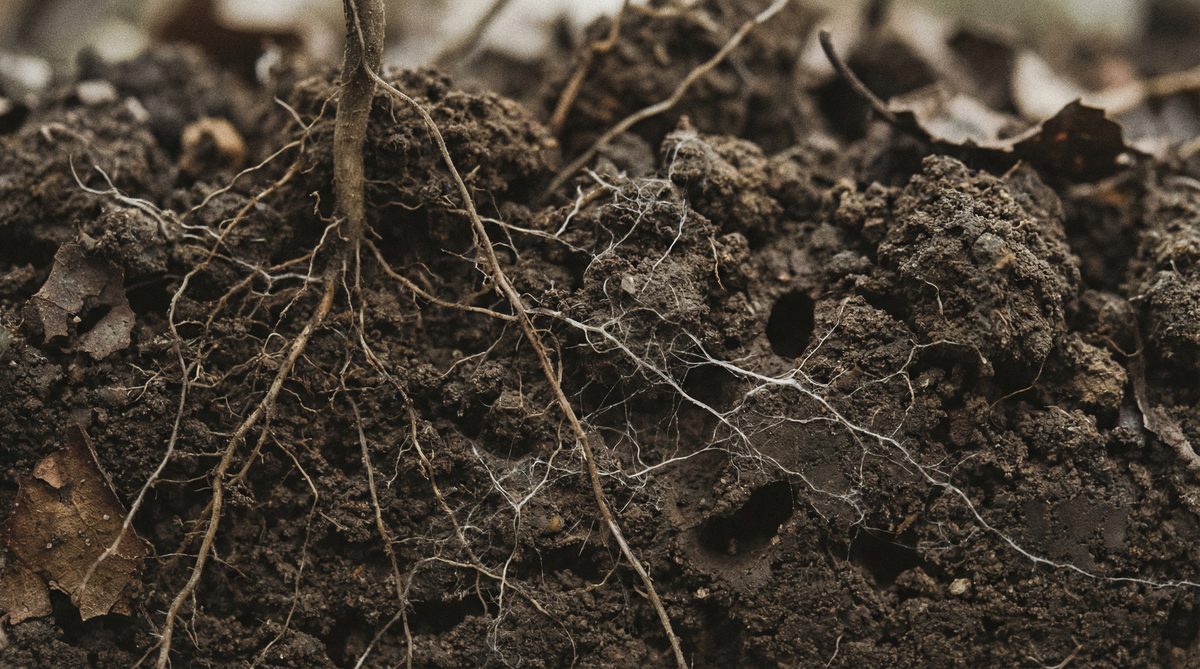
During the winter months, the temperature of the soil drops significantly, and with it microbial activity falls off too. The bacteria and fungi that under normal conditions break down organic matter and release nutrients practically pause over winter. The nutrients are present in the soil, but they remain in a locked-up, inaccessible form.
When the grass tries to restart in spring, it needs nutrients immediately – especially nitrogen and iron. But if the soil hasn't woken up yet, the plant searches for these elements in vain. The result: yellowing, slow growth, uneven colour.
Not a nutrient shortage – an access problem
This misunderstanding leads to a great deal of unnecessary fertilising. Gardeners see the yellow grass and instinctively spread more nutrients. But if the soil is unable to process these elements and make them available, the extra fertiliser doesn't help – in fact, it puts further strain on the soil and worsens its structure in the long run.
The solution is not to increase the quantity, but to activate the system. Kick-starting the microbial life of the soil is the first and most important step. Once the bacteria and fungi start working again, the existing nutrients are released, and the grass quickly begins to green up.
What can you do in spring?
First, check the pH of your soil – acidic soil inhibits the activity of microorganisms. If necessary, use calcium (for example Kalcinol) to bring it into the optimal range. Then a nitrogen-containing liquid feed such as Green Max brings fast results: the grass starts greening up within a few days while the roots grow stronger too. If you'd rather handle the restart in one step, the Beginner Lawn Start Bundle combines soil correction, base feeding and fast greening in one package.
So spring yellowing is neither a disease nor a fatal problem. It is simply the soil's signal that it's time to restart the system. If you understand this signal and start from the soil, your lawn will green up faster and more lastingly than ever before.