Why is the grass greener on the other side? – The real difference
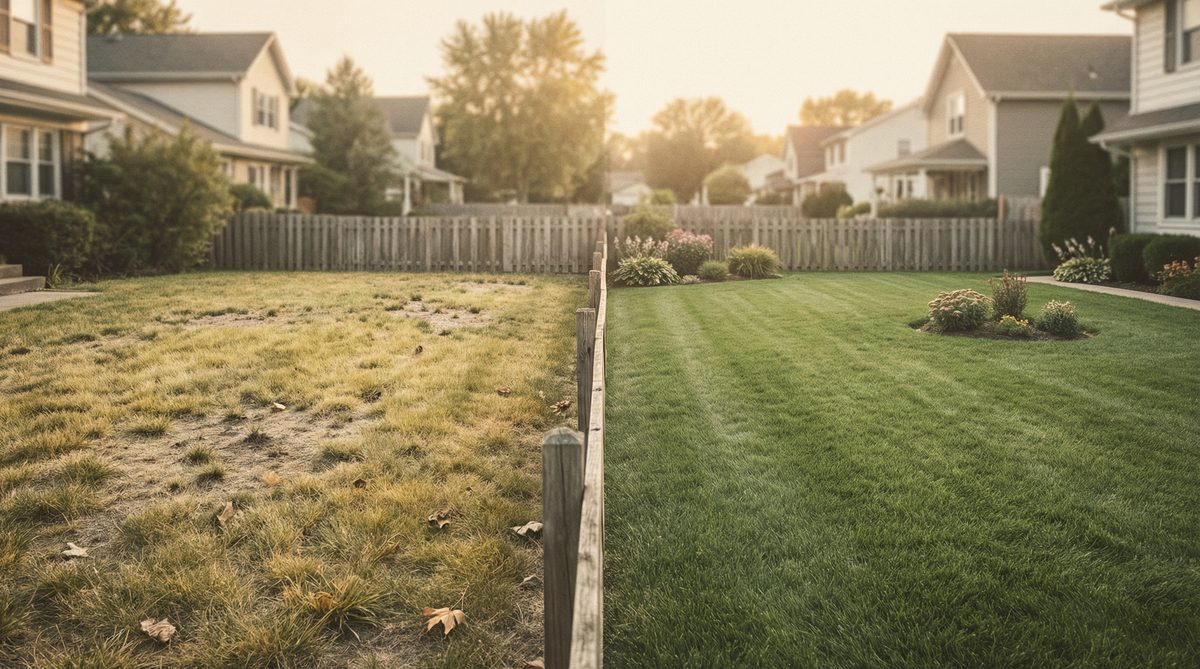
We all know the feeling: you look over the fence, and the neighbour's lawn is somehow always greener, thicker, healthier. Yet it's the same sunshine, the same rain, the same climate. So what's the difference? The answer – surprisingly – lies not on the surface, but beneath it.
The environment is the same – the soil isn't
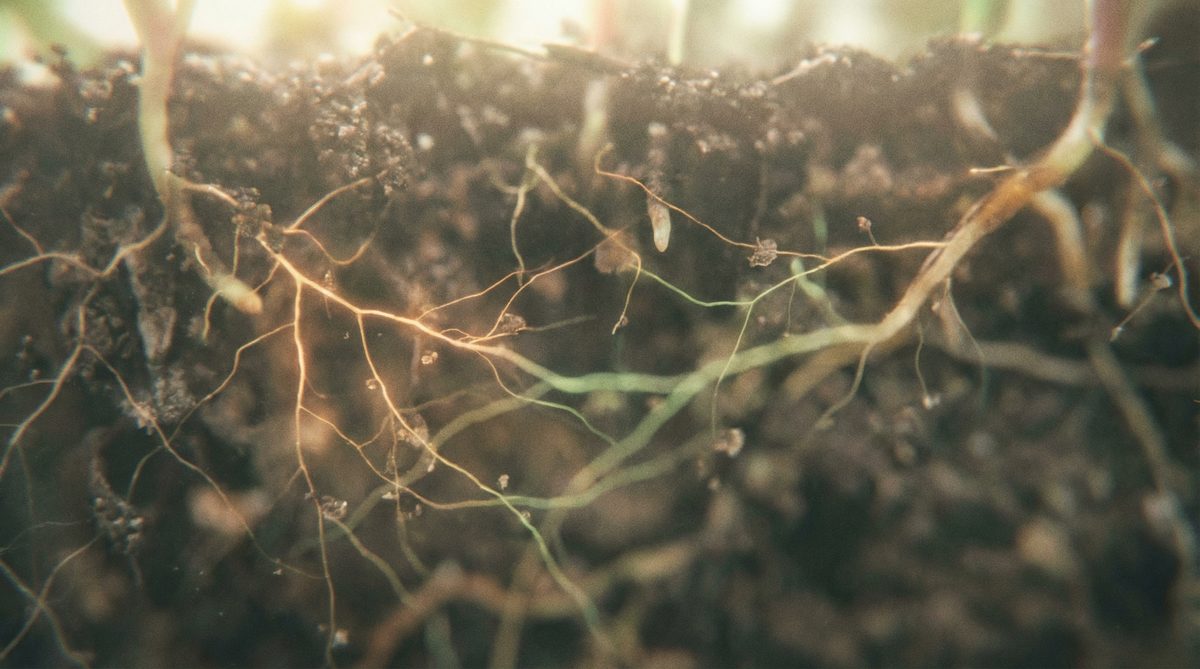
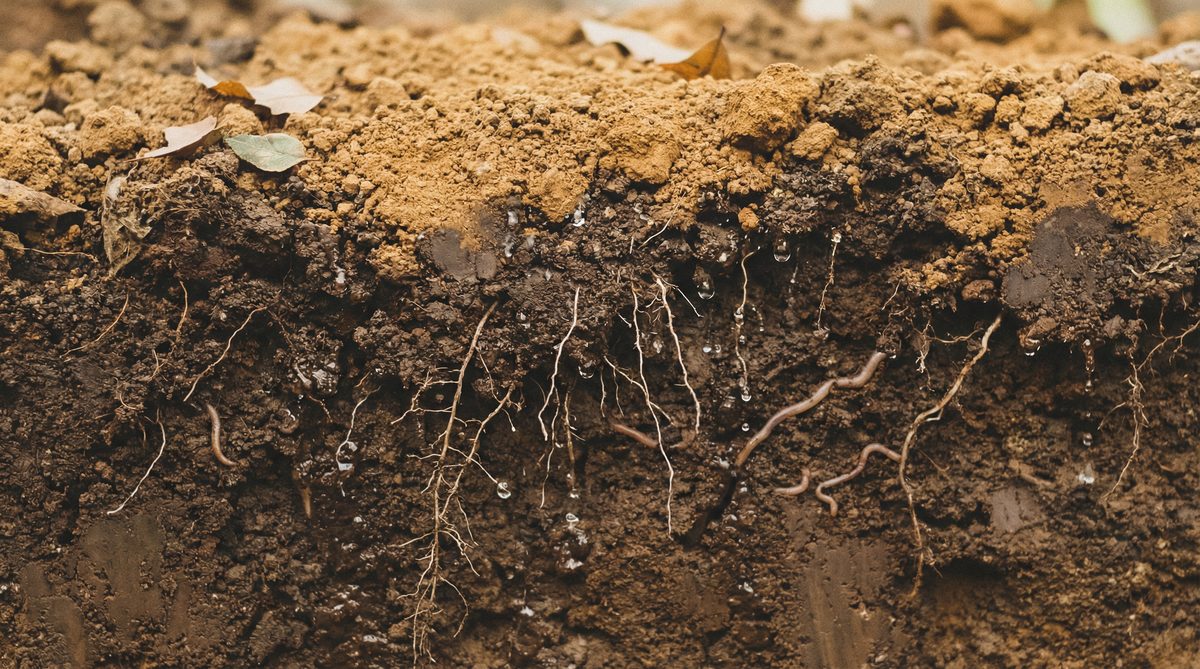
Between two neighbouring gardens, the most important difference is almost never the watering or the variety of grass seed. The decisive difference comes down to three things: the structure of the soil, its pH, and its microbial activity. Together, these three factors decide whether the grass has access to what it needs.
If the soil is compacted and acidic, the roots can't reach deep, the nutrients stay locked up, and the microorganisms don't work. You can water and fertilise all you like – the system isn't working. Your neighbour, on the other hand – whether deliberately or by chance – may be maintaining a soil where these fundamentals are in order.
A beautiful lawn is no accident – it's the result of a working system
Behind most enviable lawns there is no complicated horticultural knowledge, but a few simple habits followed consistently. Regularly checking and adjusting the pH – with Kalcinol if needed – ensures that the soil stays in the neutral range. Regular liquid feeding – for example a weekly Green Max treatment – brings fast, visible greening while strengthening the roots too.
Granular fertiliser every two months provides long-term replenishment, and loosening the soil makes sure the roots get air and water. These are not big investments – but their results are dramatic.
You can achieve the same
The most beautiful lawns always belong to those who have understood that it's not the grass that needs treating, but the soil. If the soil pH is right, its structure is crumbly, and its microbial life is active, the grass greens up and thickens by itself and resists drought and weeds.
Don't envy your neighbour's lawn – understand what makes it work. The difference is in the soil, and that difference can be created in your garden too. All it takes is awareness and consistency. We've put the complete system – soil correction, base feeding, fast greening – together in the Emerald Lawn Bundle.