The synergy of microorganisms and plants – how nature works
In nature, nothing works alone. Plants and the microorganisms living in the soil evolved through a partnership spanning millions of years – in a system where both sides give and receive. This synergy is the foundation of your garden too, even if you can't see any of it on the surface.
The plant gives – the microorganism gives back
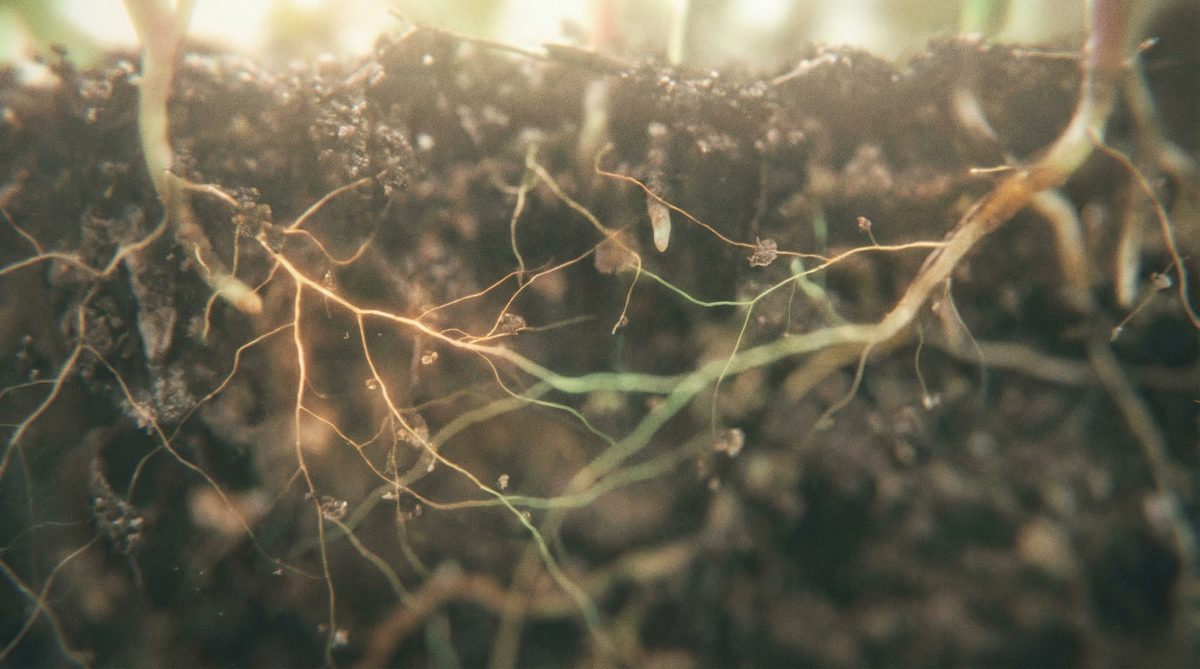
During photosynthesis, the plant produces sugars from sunlight. A significant share of these sugars – according to some research, as much as 20–30% – is released through the roots into the soil. Why would it waste so much energy?
Because it isn't waste – it's an investment. The sugar feeds the soil microorganisms, which in return release and transport nutrients to the roots that the plant could never reach on its own. Mycorrhizal fungi, for example, deliver phosphorus – one of the hardest nutrients to access – directly into the roots, and in exchange the plant pays with sugar.
A closed, yet working cycle
This partnership forms a closed loop. The plant gives organic matter to the soil (root exudates, fallen leaves), the microorganisms break it down and transform it, the plant takes up the released nutrients, and then produces more organic matter. When this loop works, the system is self-sustaining – it produces healthy plants with minimal outside intervention.
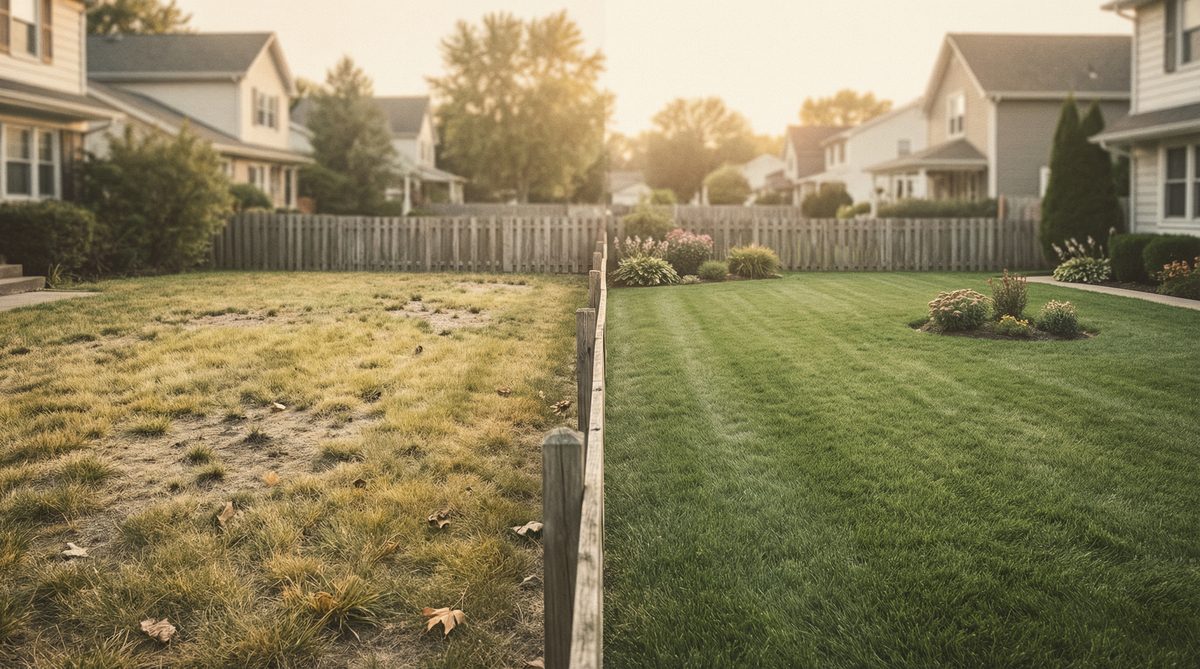
But if the loop is broken – the microorganisms die off, the soil turns acidic, the structure becomes compacted – the plant is left on its own. That's when we see the characteristic symptoms: yellowing, weak growth, susceptibility to disease. There is nothing wrong with the plant – it has lost its partner.
How can you support this synergy?
Most importantly: don't just feed the plant, feed the system. Adjusting the pH ensures that the microorganisms stay active. Regular liquid feeding not only strengthens the plant, but also sustains the microbial network of the soil. And loosening the soil structure ensures that both the roots and the microorganisms get the oxygen they need.
A plant doesn't live alone – it collaborates. Once you understand this, you look at your garden differently: you don't see individual plants, but a living system that needs to be cared for as a whole.